
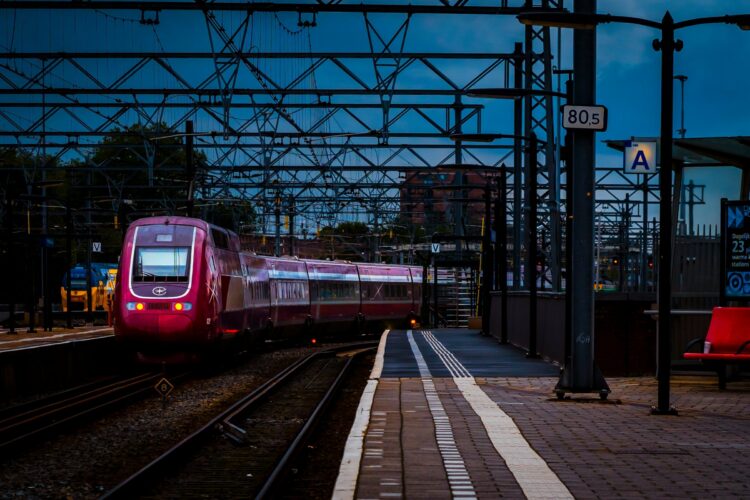
The Rail Emissions Model: driving transparency in rail travel
To secure a more resilient future for the tourism industry, we collectively need to embrace a holistic view of the transport landscape, broadening our focus beyond aviation to support the growth of rail. Our goal at Travalyst is to help scale access to information that empowers travellers and businesses to make informed decisions about the carbon costs of their travel choices.
The Rail Emissions Model (REM), developed by Travalyst Coalition partner SQUAKE, is helping to translate this mission into practical action. The model is being integrated into our Data Hub to provide the industry with consistent and credible data.
The case for rail
Providing measurable and comparable emissions data about all transport modalities – including rail – is essential to allowing consumers to make truly informed travel choices. While rail travel is becoming an increasingly viable alternative to other transport options, it is underrepresented, and there is a lack of transparency into its true value and how it can best be utilised to realise change. To close this gap, our work is focused on:
- Data: Providing the travel industry with clear, consistent data that helps both travellers and businesses understand the value of rail, and make informed decisions about the carbon cost of their travel.
- Policy: Advocating for the policy changes needed to make rail a strong and viable transport option.
Standardising rail emissions data
Transparency is a core value of all our work, and we believe that no real change can happen without first understanding the landscape we’re operating in. While rail is already inherently lower-carbon, the industry currently lacks a trustworthy, free, and accessible source of rail emissions data to quantify this value. This is vital to continually demonstrate rail’s role in the decarbonisation of transport going forward.
By scaling access to the data required for estimating rail emissions, we can:
- Enable widespread tracking by providing and continually improving a core, open-access data set that allows for consistent tracking across the sector,
- Empower corporate reporting by providing businesses with full oversight of the Scope 3 emissions of all transport modalities, including rail; and
- Enhance traveller decision making by enabling point of sale use cases – such as multimodal comparisons and combined itineraries – for both business and leisure travellers.
Introducing the Rail Emissions Model (REM)
The Rail Emissions Model (REM), developed by Travalyst Coalition partner SQUAKE, provides a clear and credible quantification of passenger-rail greenhouse gas emissions. The methodology has been shaped by rounds of expert input from across the industry, including detailed feedback from our Independent Advisory Group.
Creating consensus
Our coalition of travel and technology partners has aligned behind the Rail Emissions Model, with the model currently being integrated into our platform to enable open industry access. The aim is to unify the industry around a consistent way to measure rail emissions, provide free access to this information, and unlock sustainability data at scale.
With scale comes opportunity: opportunity for businesses and travellers to see the same data, no matter where they look. By doing this we can build trust in the information, avoiding confusion and mixed messaging, as we have done before with the Travel Impact Model.
How the REM works
The REM takes a variety of trip details into account, such as the type of train, seat class, and how the train is powered. The model also incorporates upstream emissions by measuring the entire energy lifecycle, covering everything from the production and delivery of the electricity or fuel to the actual running of the train. Additionally, the model factors in other greenhouse gases beyond carbon dioxide, providing a more complete reflection of a journey’s true climate impact.
SQUAKE has written a detailed white paper documenting the technical methodology available on their website.
What’s next
The first iteration of the Rail Emissions Model is just the beginning. We’re currently scaling data access via our Data Hub for our partners, and will share updates for the broader industry on how to access the REM data in the coming months.
Beyond data, we are building a policy position to advocate for the critical regulatory shifts needed to ensure full transparency and equal opportunity for growth, across all modes of transport – first across the EU.
We’ll continue to support the industry to drive this change together – find out how to be part of the coalition below.
Connect with us
- Ready to get started? To find out more or register your interest in accessing the Rail Emissions Model, please get in touch via this form.
- Want to explore partnership opportunities? To explore how your organisation could benefit from or provide learnings and insight that could help us develop this work, learn more about partnership opportunities here.
- Want to hear more from us? To stay up to date with our progress and hear about our upcoming activities, sign up to our newsletter below and follow us on LinkedIn.